What is World Diabetes Day?
Every year, World Diabetes Day raises awareness about diabetes. It is observed on November 14th. This day reminds us to learn more about diabetes and its risks. Many people use this time to check their health and talk about diabetes prevention. Importantly, it also highlights the need for better diabetes screening and care.
Understanding Diabetes and Blood Sugar
Diabetes is a condition where your body cannot control blood sugar well. When blood sugar stays high, it can harm your heart, eyes, and kidneys. Therefore, regular blood sugar monitoring is important. Early diabetes diagnosis helps prevent serious problems. You can manage diabetes with healthy habits and the right tests.
What is HbA1c?
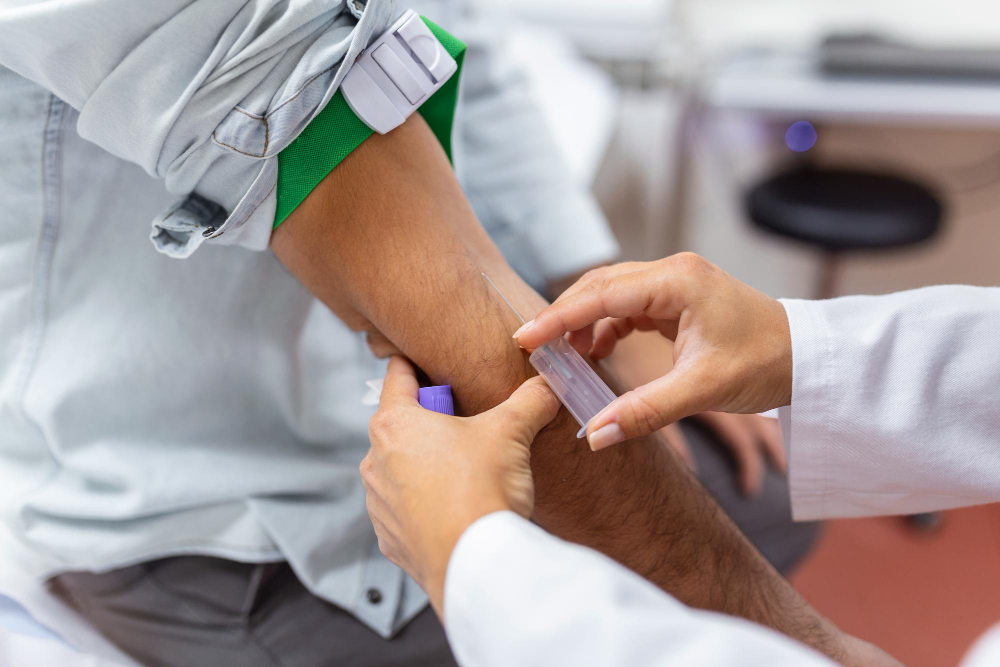
HbA1c is a blood test that shows your average blood sugar over the past three months. It is also called the glycated hemoglobin test. When sugar sticks to your red blood cells, it forms HbA1c. Because red blood cells live for about three months, this test gives a long-term picture of your blood sugar control. Doctors use the HbA1c test for diabetes diagnosis and to check how well your diabetes is managed.
What is Random Blood Sugar?
Random blood sugar is a test that measures your blood sugar at any time of the day. You do not need to fast before this test. However, the result can change based on what you have eaten or your activity level. Because of this, random blood sugar tests may not always show your true blood sugar control. They are helpful for quick checks but have some limits.
Why HbA1c is Superior to Random Sugar
Many experts agree that HbA1c is better than random sugar for several reasons:
Because of these reasons, the HbA1c test vs random blood sugar debate often ends with HbA1c as the winner for diabetes screening and management. The World Health Organization (WHO) and the Centers for Disease Control and Prevention (CDC) both recommend HbA1c for diabetes diagnosis and monitoring.
How HbA1c Helps in Diabetes Management
HbA1c helps you and your doctor see if your diabetes plan is working. If your HbA1c is high, you may need to change your diet, exercise, or medicine. On the other hand, a lower HbA1c means your blood sugar control is better. This test helps set clear goals and track progress. It also helps prevent long-term problems from diabetes.
When to Get Tested and What the Results Mean
Doctors suggest getting an HbA1c test at least twice a year if you have diabetes. If your blood sugar is not well controlled, you may need it more often. Here is what your HbA1c results mean:
Always talk to your doctor about your results. They can help you understand what your numbers mean for your health.
Prevention and Lifestyle Tips for Diabetes
Even if you do not have diabetes, you can take steps to lower your risk. For example, you can:
These habits help with blood sugar control and diabetes prevention. Small changes can make a big difference over time.
Conclusion
“In summary, World Diabetes Day is a great time to learn about better ways to manage diabetes. The HbA1c test beats random sugar for long-term blood sugar monitoring and diabetes diagnosis. For the best care, use HbA1c along with healthy habits. Consult a healthcare professional at Medifine Diagnostic Center for personalized diabetes management advice.”